Last updated November 17, 2026





Free design consultation - KraftMaid and Wellborn cabinet lines, Cambria and Silestone surfaces, and every tier from refacing to full custom laid out side by side
DIY vs Professional Kitchen Remodeling: The Las Vegas Homeowner’s Decision Guide
Here’s the part most DIY-versus-pro guides skip: in Nevada, you’re allowed to do your own electrical and plumbing work on your own home. That surprises people. But permission isn’t the same as a free pass. You still have to pull the right permits and pass the same inspections a licensed crew would, graded to the same standard, with no curve. The desert makes that standard harder to hit, not easier. Slab floors that look flat but aren’t, walls that run slightly out of plumb, and triple-digit summer heat that turns an ordinary countertop seam into a moving target all tend to expose shortcuts. This guide walks you through where DIY genuinely pays off in a Las Vegas kitchen and where it quietly costs more than hiring out, so you can decide with the numbers in front of you instead of a gut feeling.
Quick Answer
For most Las Vegas homeowners, DIY is worth it for demolition, painting, and simple hardware swaps, but cabinet installation, countertop installation, and anything touching plumbing or electrical behind the wall should go to a specialist. Nevada lets owner-builders pull permits for their own home, but the work still has to pass the same inspections, and mistakes in a kitchen typically get expensive before they get noticed. A licensed kitchen contractor, with a written line-item estimate and permits handled, usually costs less in the long run than fixing failed DIY work and re-negotiating a sale.
Styles & brands we work with
- Shaker
- Modern flat-panel
- Two-tone cabinets
- KraftMaid
- Cambria quartz
- Butcher block
- Open shelving
Table of Contents
- What Nevada Law Actually Says About Doing Your Own Kitchen Work
- Where DIY Consistently Fails in Las Vegas Conditions
- The Real Cost Comparison: DIY vs Professional
- The Resale Math: How Las Vegas Buyers Read DIY Kitchens
- The Hybrid Model: Where DIY Still Makes Sense
- How to Choose a Kitchen Specialist in Las Vegas
- Common Mistakes to Avoid
- Frequently Asked Questions
What Nevada Law Actually Says About Doing Your Own Kitchen Work
The short version: Nevada allows a homeowner to act as their own general contractor on their own residence, and that includes doing some of the work yourself. What it does not allow is skipping the permit or the inspection. If you’re remodeling a kitchen in Las Vegas and you’re moving plumbing, adding or relocating electrical circuits, or changing walls, the city or county building department wants to see the plan, issue the permit, and sign off on the work when it’s done.
Here’s where it gets nuanced, and where a lot of homeowners get surprised mid-project:
- Owner-builder permits are for your own home. You can’t pull one on a rental you don’t live in or on a house you’re flipping. That’s a different license category, and inspectors do ask.
- Inspections are the same for you as for a licensed crew. There’s no “homeowner inspection” versus “contractor inspection.” The framing, the plumbing rough-in, the electrical rough-in, and the final all get looked at the same way.
- Failed inspections cost time, not just money. A failed rough-in means a re-inspection, which means a delay before drywall goes up, which means your cabinets and countertops sit in a garage, which means their install slots get pushed back. That chain reaction is the real cost.
- Your homeowner’s insurance cares. Ask your insurer directly what happens to coverage during unpermitted work or work that fails final inspection. Many policies have language about unpermitted alterations, and a claim during a remodel is a bad time to discover your coverage was narrower than you assumed. This one is worth a phone call before you start, not after.
None of this means DIY electrical or plumbing is illegal for a homeowner in Nevada. It means the bar is set at “professional standard, professionally inspected,” and you’re the one who has to clear it. If you’d rather have the permits pulled and the inspections scheduled and passed as part of the job, that’s exactly what a specialist does. For a closer look at how the full scope comes together, see our page on kitchen remodeling.
Where DIY Consistently Fails in Las Vegas Conditions
Las Vegas is a hard place to learn on the job. The climate and the housing stock create a specific set of failure points that show up again and again. In our experience, three tasks separate a clean DIY result from a call-back: tile over slab, cabinet leveling on out-of-plumb walls, and countertop seaming in extreme heat.
Tile work over slab: flatness and expansion
Most Las Vegas homes sit on a concrete slab, and a slab is never as flat as it looks when you set a level down. Over a large kitchen floor, even a modest dip turns into lippage at the tile edges and hollow spots underneath. Then there’s expansion. Desert heat swings the slab through the day, and tile needs room to move. Skip the perimeter expansion gap and a floor that looks perfect in October can tent or crack by the following summer. Getting the prep right, grinding high spots, filling low ones, and honoring the gaps, is most of the job. Laying the tile is the easy part.
Cabinet leveling on out-of-plumb walls
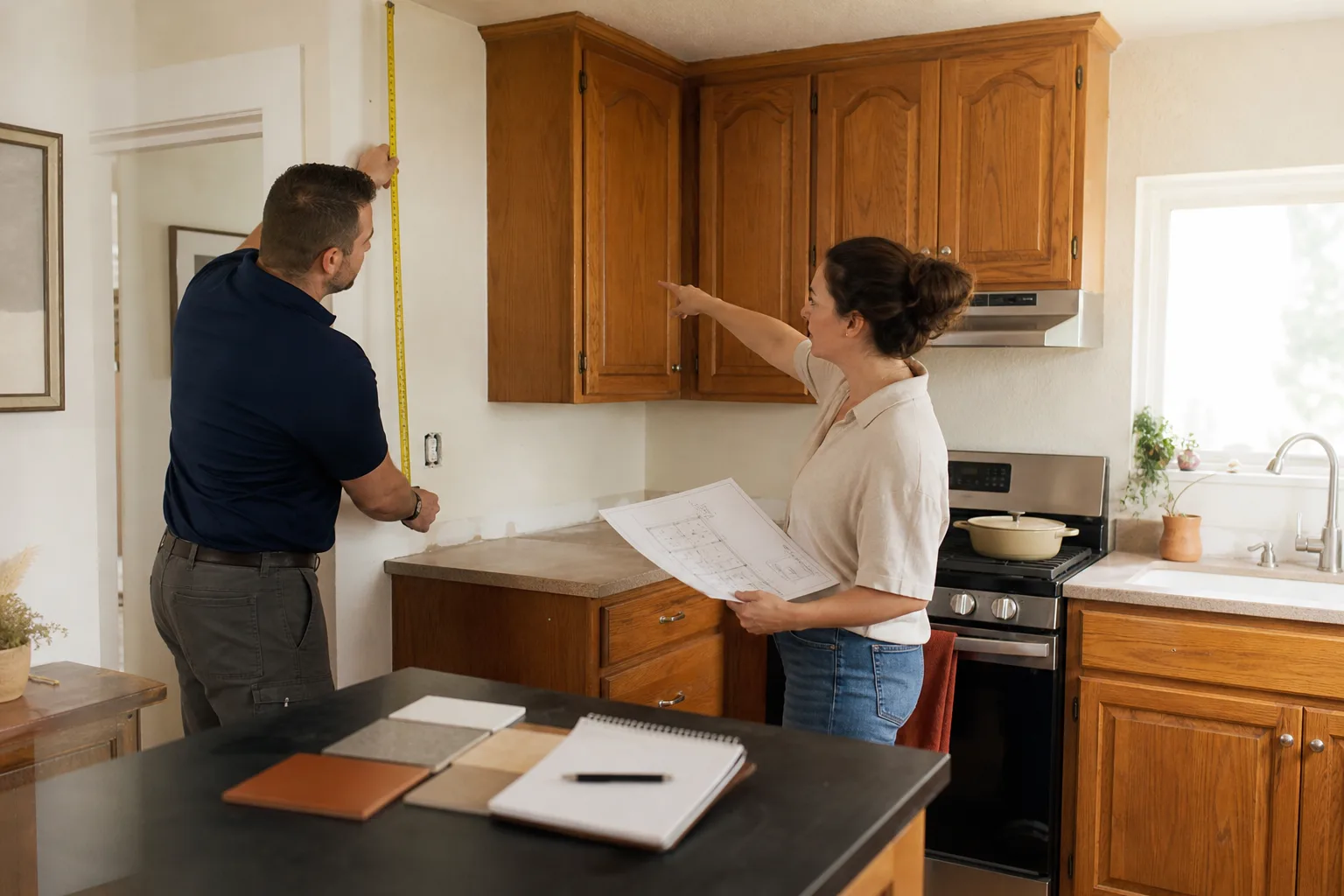
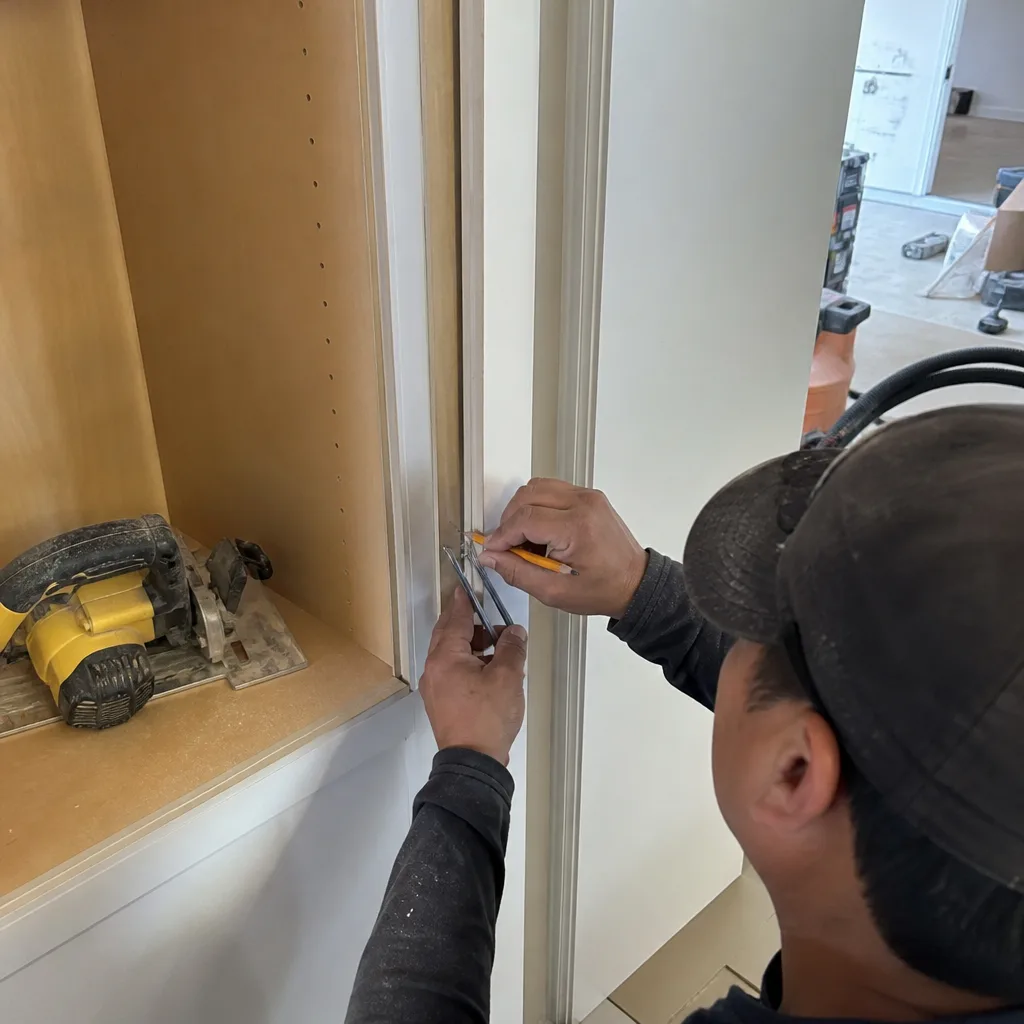
Wall cabinets hang true when the wall behind them is true. In a lot of older Las Vegas kitchens, it isn’t. You’re not just screwing boxes to studs; you’re shimming, scribing, and sometimes furring the wall to get doors and drawers to close cleanly across a long run. Do it half right and the gaps look fine until the countertop template goes on, at which point the whole run is three-quarters of an inch out and the countertop has to be cut to match the mistake. Cabinet installation done well is a discipline of small corrections, and the corrections are learned, not improvised.
Countertop seaming in extreme heat
Quartz countertops are fabricated and seamed with a precision that heat does not forgive. A seam placed where the sun hits it through a window, or bonded on a day when the surface is hot from a morning of direct light, can fail its bond or telegraph a shadow that never goes away. Premium quartz lines like Cambria, Silestone, and Caesarstone are built to hold up, but they still have to be handled and installed correctly in this climate. This is not a job where the tools are the barrier. The barrier is knowing where the seam goes and when not to bond it.
The Real Cost Comparison: DIY vs Professional
First, the honest math. DIY almost always looks cheaper on the first page of a spreadsheet, and almost never stays that way once you add the costs people forget. Here’s a realistic comparison of the line items that separate the two paths.
| Cost Category | Typical Range (Estimated) | Notes |
|---|---|---|
| Tool acquisition for a first kitchen | $400 – $1,200 | Tile saw, wet saw blades, leveling system, clamps, oscillating tool, quality drill/driver |
| Material waste for a first-time installer | 10 – 20% above pro allowance | Cutting errors, over-ordering, damaged tile and cabinet parts |
| Cabinet and countertop installation labor | $5,000 – $12,000 | Wide range depending on layout, cabinetry line, and countertop material |
| Correction cost for failed DIY inspection | $1,500 – $6,000 | Varies heavily with what failed and how early it’s caught |
| Re-inspection and schedule delay | Days to weeks | The delay is the cost: cabinet and countertop slots get pushed back |
The pattern is consistent. The tools are one-time and partly reusable, so they’re not the real problem. The real problem is waste and correction. A homeowner who installs cabinets themselves and gets the leveling slightly wrong doesn’t save the cabinet install cost; they pay it twice, once in their own weekend labor and once when a specialist has to reset the run to fit a countertop. The same is true for countertops. A seam that fails is a fabrication problem, not a repair, and fabrication doesn’t come cheap.
Add it up honestly and the picture inverts. A homeowner’s realistic all-in cost on a full kitchen done solo, including tools, waste, the correction jobs they can’t do themselves, and the lost time, often lands close to what a written professional estimate would have been, with none of the warranty and none of the accountability. That’s the argument for the free estimate: it lets you compare the two paths with real numbers rather than guesses. Call (844) 797-6597 to schedule yours.
The Resale Math: How Las Vegas Buyers Read DIY Kitchens
Las Vegas buyers have seen a lot of kitchens, and their inspectors have seen more. A recently remodeled kitchen is a selling point in this market, which is exactly why it gets looked at closely. The gap between a professional kitchen and a well-intentioned DIY one often isn’t visible in photographs. It shows up in an inspection report.
What an inspector actually looks for in a kitchen, and what tends to get written up:
- Permits and inspection records. If a buyer’s agent asks for the permit history and it’s missing for work that required one, that’s a red flag. It gets noted, and it starts conversations about price.
- Cabinet alignment and door function. Doors that rub, drawers that aren’t parallel, gaps that vary along a run. These get flagged as installation issues.
- Countertop seams and edges. A visible seam in the wrong place, or an edge profile that doesn’t match the rest, reads as amateur.
- Plumbing rough-in discovered later. If a future repair reveals non-standard plumbing behind a finished wall, the current buyer has no way to know it wasn’t a problem during the sale.
- Electrical in the kitchen. Outlets near the sink and the range, and their clearances, get checked.
“Unprofessional installation” or “amateur workmanship” notations in an inspection report do two things at once. They give the buyer a reason to ask for a credit, and they give them a number to anchor to. That number tends to be higher than the cost of having done it right the first time, because the buyer’s estimate includes the correction they’ll have to do after the sale. Suddenly the savings on the DIY path are the buyer’s, not yours.
There’s a second layer. A kitchen remodel routed through a specialist with documented brand relationships, KraftMaid cabinets, Cambria or Silestone or Caesarstone surfaces, is a set of name-brand facts a buyer’s agent can point to. A DIY kitchen doesn’t have that story to tell. When you eventually sell, that story has value.
The Hybrid Model: Where DIY Still Makes Sense
We’re not going to tell you that a homeowner shouldn’t touch their own kitchen. Demolition, painting, and simple hardware swaps are exactly the places where doing it yourself is a good use of a weekend. The trick is knowing which jobs are worth your time and which ones are worth paying someone who does them every week.
Here’s how we’d draw the line for a Las Vegas kitchen:
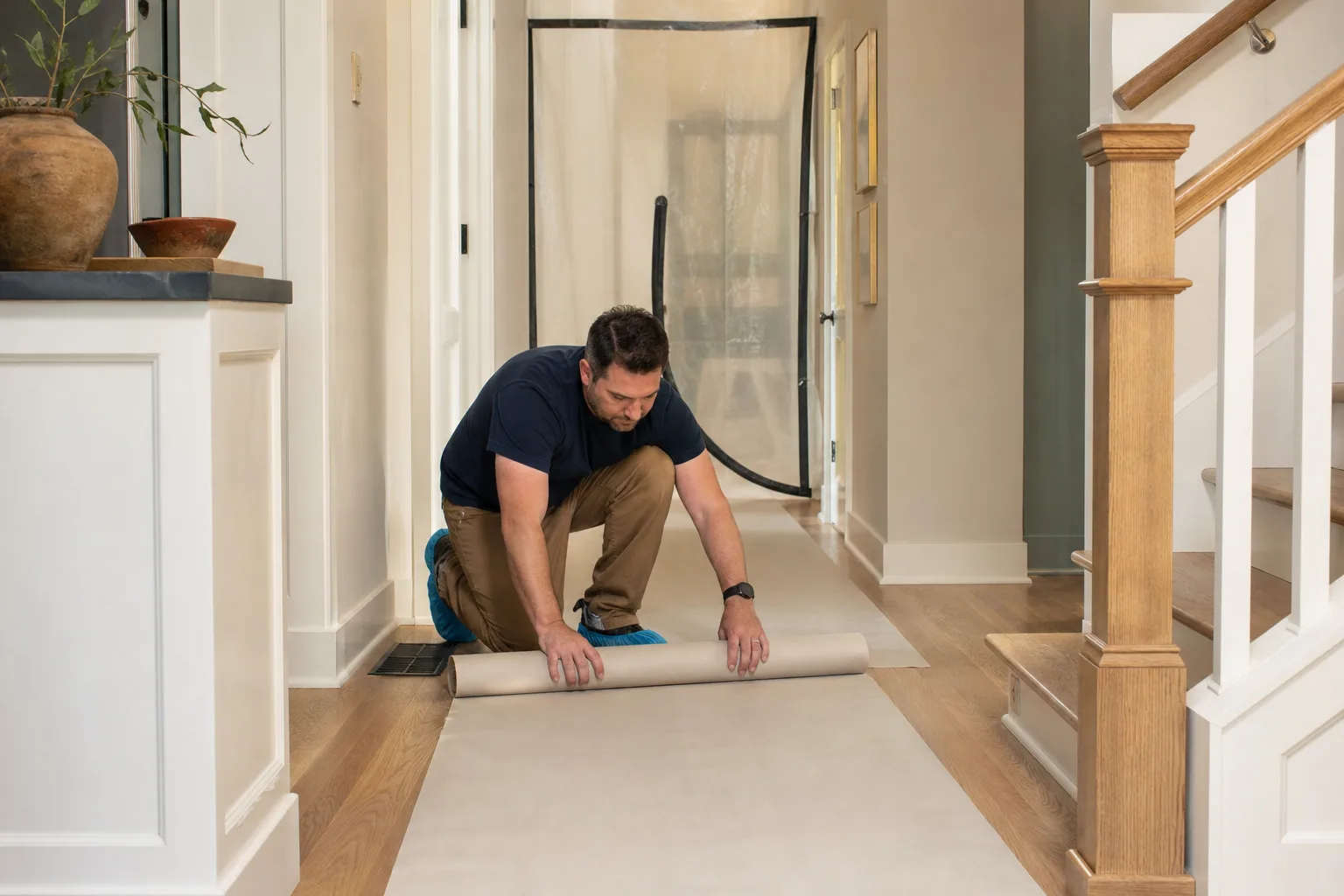
- Demo: do it yourself. Tearing out old cabinets and tile is hard, unglamorous work, and it’s well within reach of a motivated homeowner. Do protect the floor and shut off the plumbing and power first.
- Painting: do it yourself. Prep, prime, paint. No permit, no inspection, and the tools are cheap. Save the professional painters for the parts of the house where height matters.
- Cabinet and drawer hardware: do it yourself. Knobs, pulls, and soft-close hinges, if the cabinetry was professionally installed, are a straightforward swap. Measure twice, drill once.
- Cabinet installation: pay a specialist. This is the job where out-of-plumb walls, shimming, and countertop-dictated tolerances converge. It’s the single most cost-effective place to bring in a pro.
- Countertop installation: pay a specialist. Fabrication, seaming, and templating have to be right. There’s no realistic DIY path here once you’re past the project’s first week.
- Plumbing and electrical behind the wall: pay a specialist. The permit and inspection requirements meet the “this can flood or catch fire” requirements, and the professional cost is modest relative to the risk.
The hybrid model works because it spends your weekend on the tasks where DIY has a real chance of a good outcome, and it spends money on the tasks where the cost of a mistake is high. If you want a written line-item estimate that isolates the tasks you want to keep, that’s a normal way to go. Our cabinet installation page covers the install-specific side in more detail.
How to Choose a Kitchen Specialist in Las Vegas
Once you’ve decided that at least some of the work is going to a professional, the next decision is who. A kitchen is not a general contracting project. It’s a sequence of connected disciplines, cabinets, countertops, plumbing fixtures, electrical, and finishes, and the person in charge needs to own the whole sequence. That’s the argument for a kitchen-only specialist over a generalist who adds a kitchen between other jobs.
What to look for, in the order that matters:
- Demonstrated brand relationships. Ask who they’re authorized to install. A specialist who can show you KraftMaid and Wellborn cabinetry and walk you through Cambria, Silestone, and Caesarstone quartz options is giving you a real comparison, not a single catalog.
- Permit handling as part of the job. Ideally, pulling the permits and scheduling the inspections is on their written scope, not yours.
- Fixture knowledge, not just fixture catalogs. Kohler, Moen, and Blanco all make great products, and they also make products with specific installation needs. A specialist who knows the difference will save you a return trip.
- A written line-item estimate. Not a lump sum. You want to see cabinets, countertops, labor, and fixture allowances separately so you can compare bids honestly.
- One point of accountability. Ask who’s responsible if the cabinets and countertops don’t line up. The right answer is one name.
- Free estimate and clear scope. The estimate should be free, and the scope should match what you asked for.
That last point is worth repeating for this city. A Las Vegas kitchen job gets looked at closely at resale, and a specialist who is accountable from cabinet box to countertop edge is the version that holds up. For a picture of what full-scope work looks like, see what we do at Valor Kitchen Remodeling.
Common Mistakes to Avoid
- Assuming the slab is flat. Before you buy a single box of tile, put a straightedge on the floor and check. In a Las Vegas kitchen, a slab that looks fine can be a half-inch out over the run of a cabinet line.
- Skipping the expansion gap. Tile installed tight against the wall has nowhere to move when the desert heat comes back. That’s how a good floor tents.
- Ordering cabinets before the wall is checked. Wall cabinets that fit a plumb wall won’t fit an out-of-plumb one without shimming and scribing. Measure first, order second.
- Planning the countertop seam by eye. Seam placement needs to account for windows, sun exposure, and where the fabricators can actually bond cleanly. This is a templating decision, not a site decision.
- Not calling your insurer before unpermitted work. A quick call up front tells you exactly what your coverage does during a remodel. That’s cheaper than finding out during a claim.
- Treating the permit as paperwork. It’s the thing that makes the work visible to the next buyer’s inspector. Missing permits turn into concessions at negotiation.
- Buying fixtures without checking the rough-in. A beautiful Kohler or Moen faucet is only useful if it fits the plumbing behind the wall. Verify before ordering.
See the difference
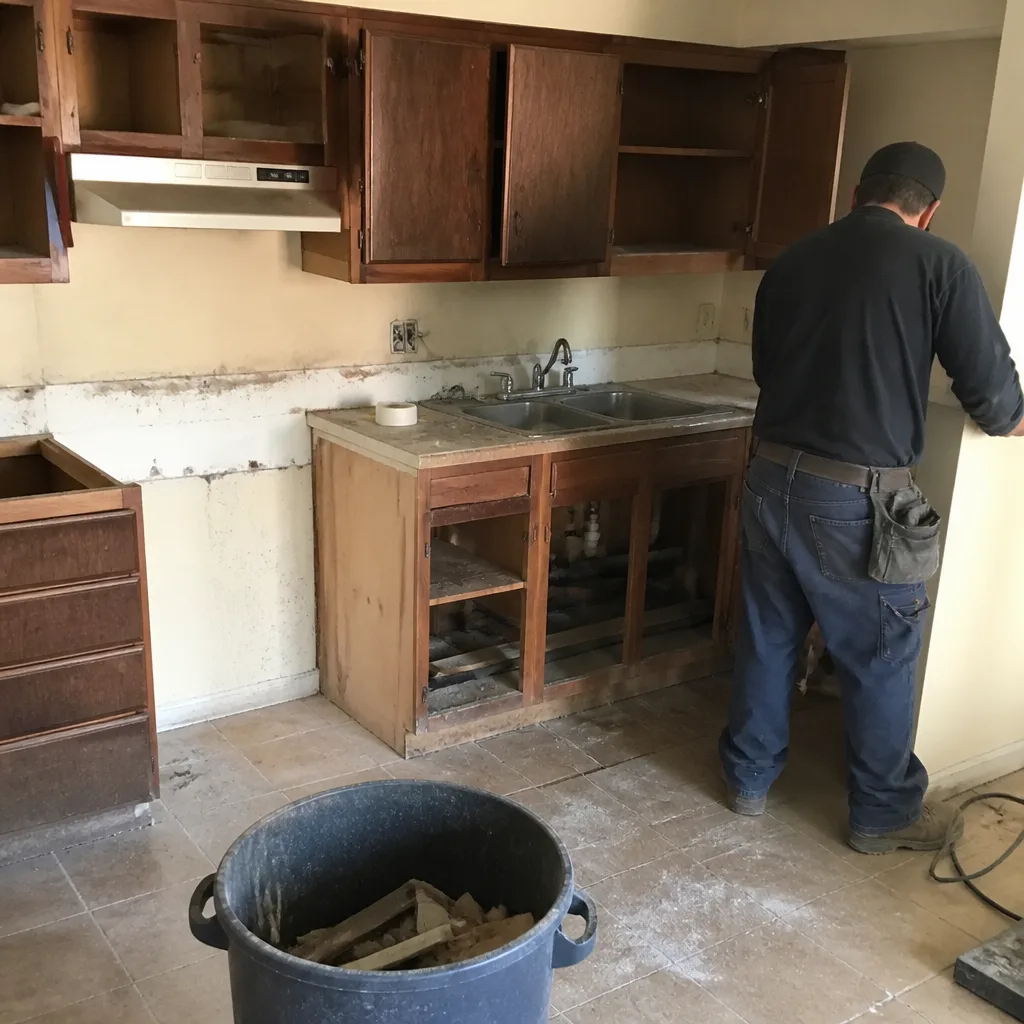 Before
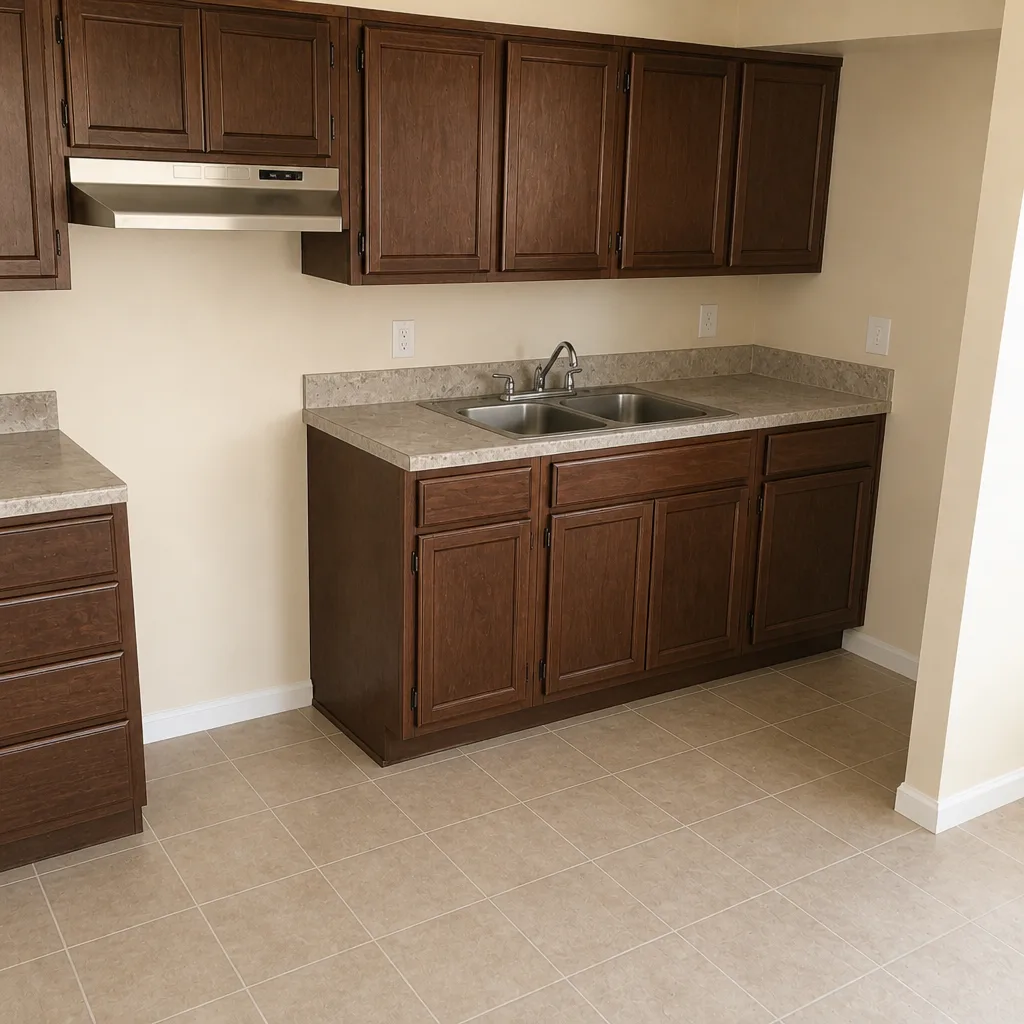 After
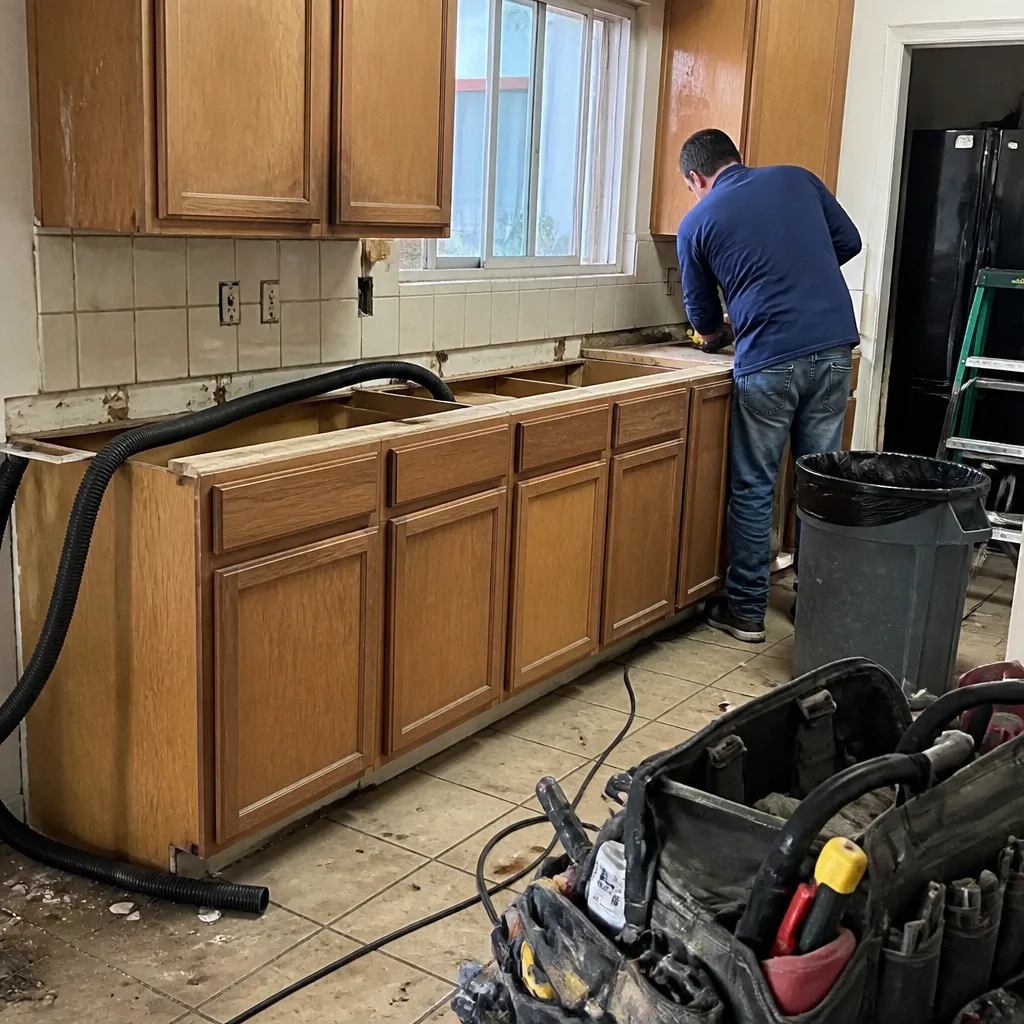 Before
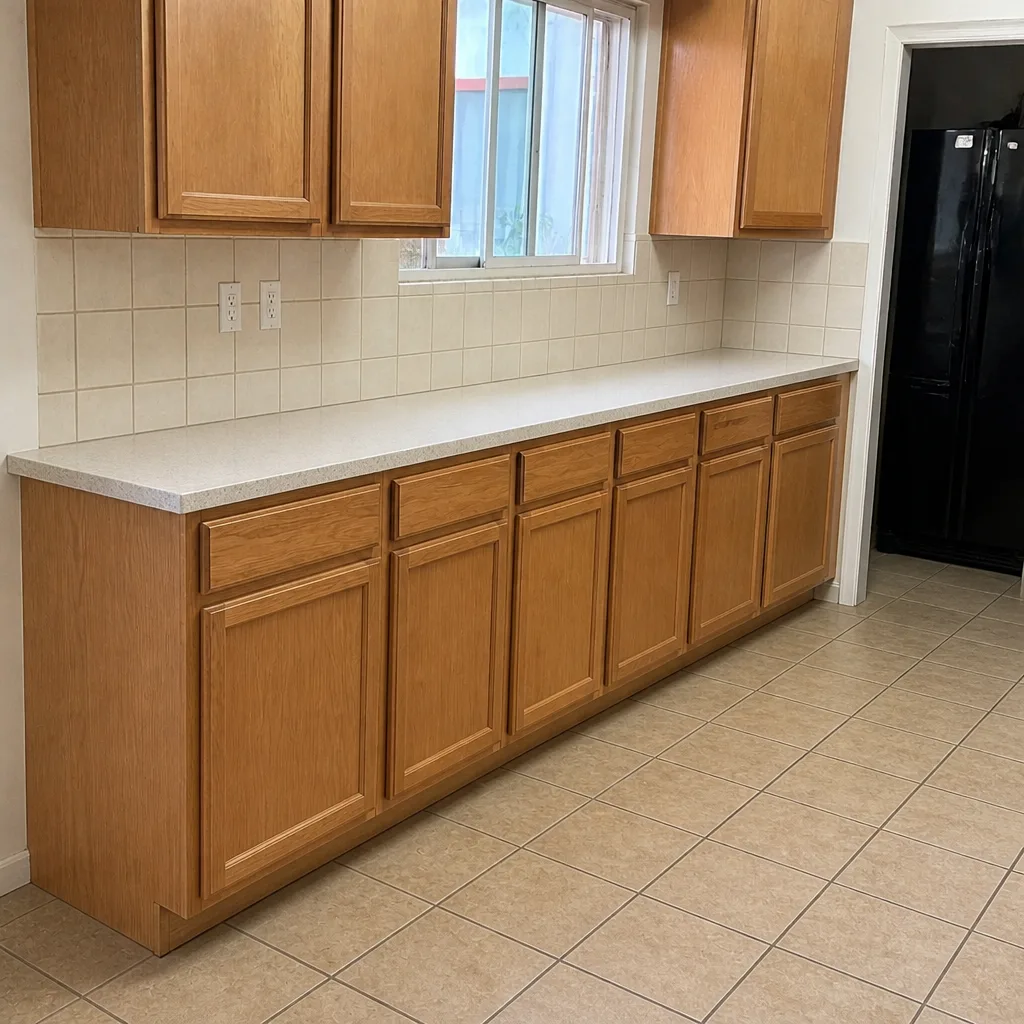 After
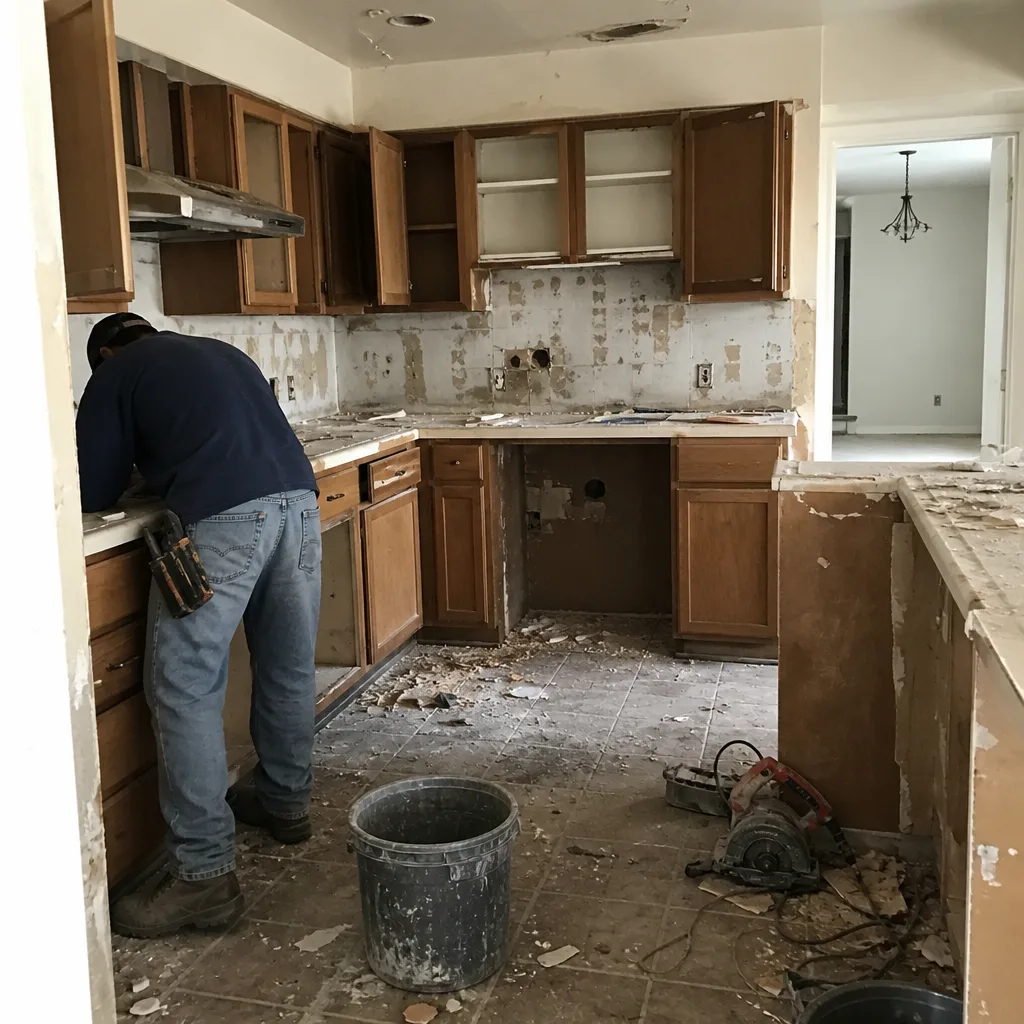 Before
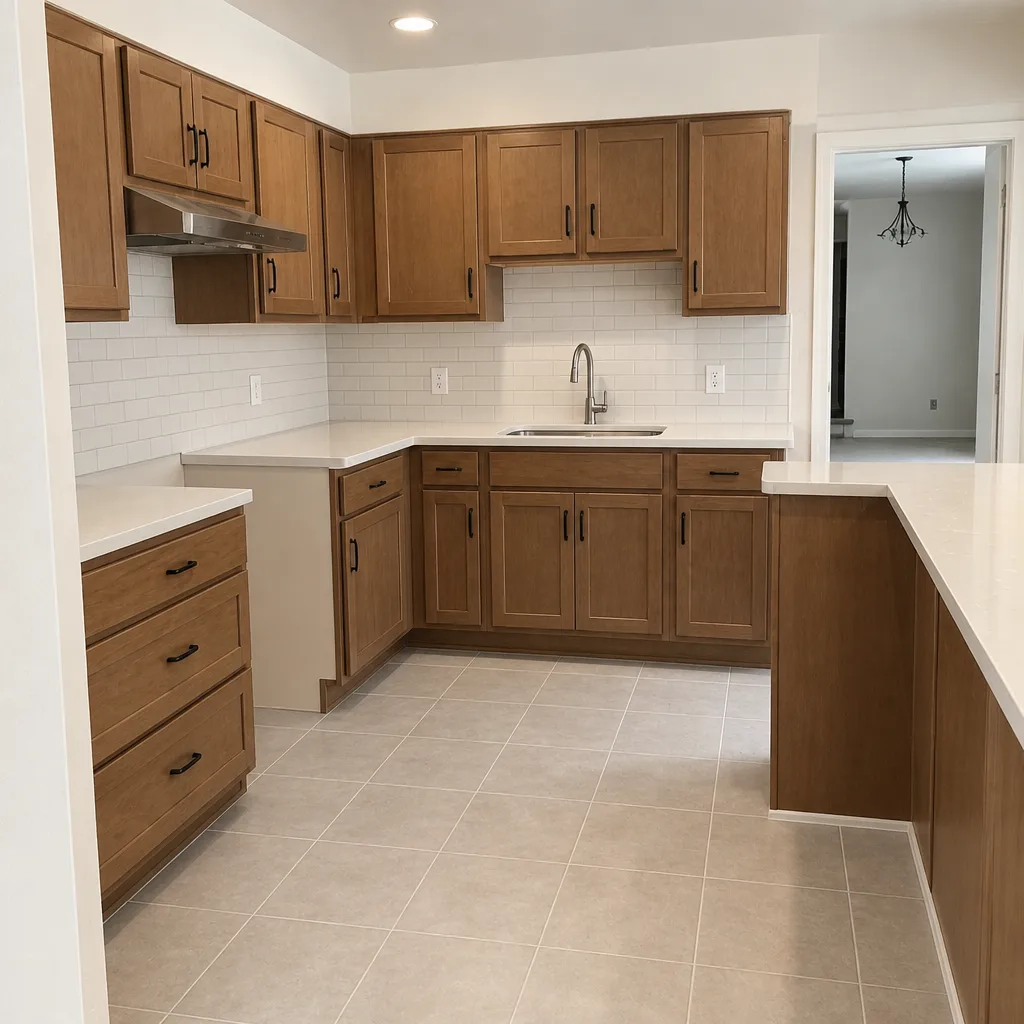 After
When to Call a Professional
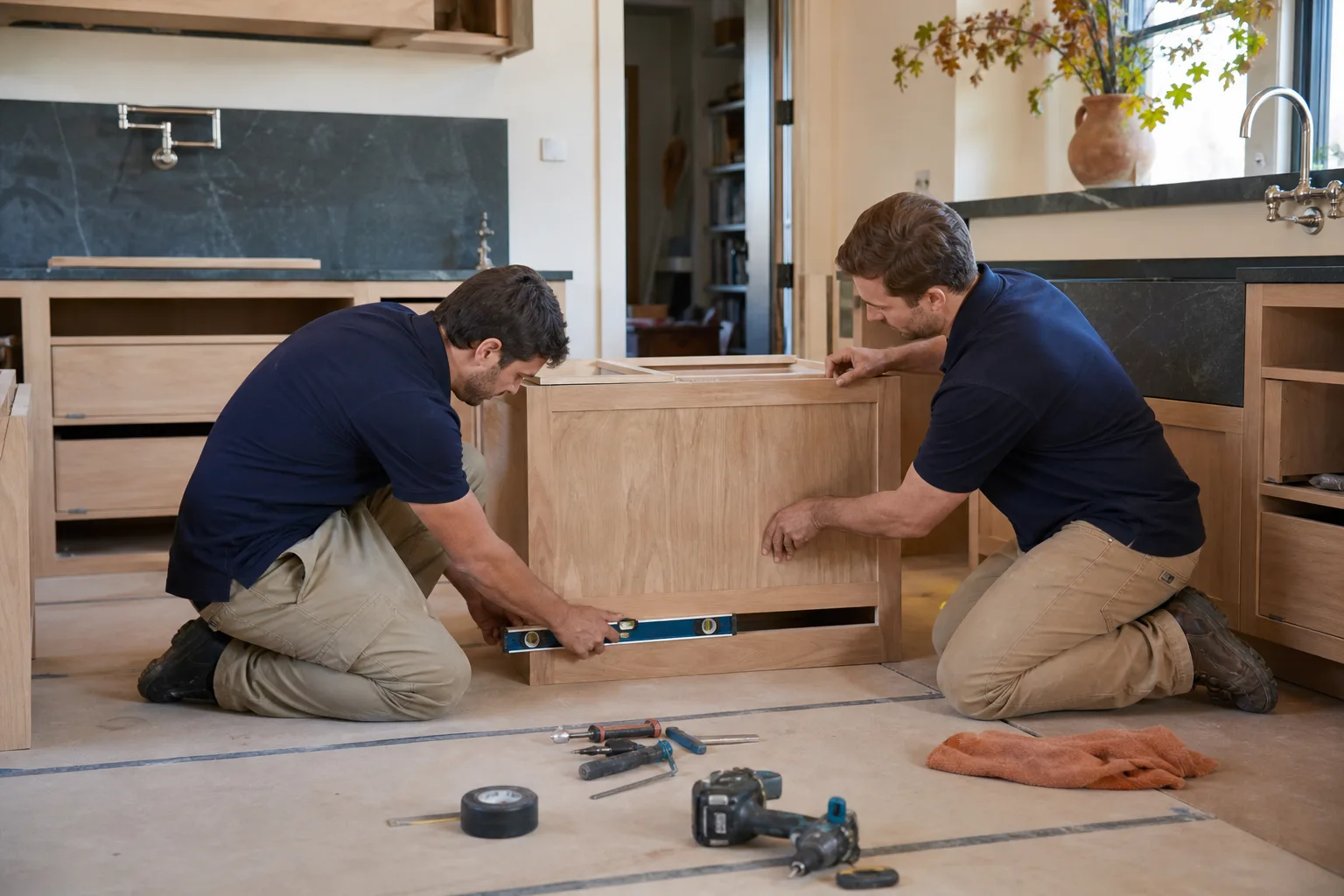
Bring in a specialist when the task involves a permit, an inspection, or a precision that gets expensive to correct. In a Las Vegas kitchen, that means cabinet installation, countertop templating and installation, plumbing and electrical rough-in, and anything that has to pass a final inspection. It also means any job where the cost of a seam failure, a water leak, or an electrical fault is higher than the labor you were trying to save. Those are not the weekends to spend learning. Our technicians have up to 9 years of experience, and our scope is kitchen-only from cabinet installation through countertop installation to plumbing fixtures, so the whole sequence is under one accountable contractor. Valor Kitchen Remodeling offers free estimates in Las Vegas, with permits pulled and inspections passed as part of the work: call (844) 797-6597.
Frequently Asked Questions
Yes, Nevada allows a homeowner to act as their own contractor on their own residence, including pulling owner-builder permits and doing some of the work themselves. The catch is that the work still has to pass the same inspections a licensed crew would, and any electrical or plumbing changes still need a permit. Call (844) 797-6597 if you’d rather have the permits and inspections handled for you, with the estimate free.
Cabinet and countertop installation labor runs in a wide range, and the all-in cost of a DIY project typically lands within that same range once you add tools, waste, correction costs, and the time value of a failed inspection. In our experience, the DIY path only truly saves money on demo, painting, and hardware, where the risk of a correction is low. Call (844) 797-6597 for a free written line-item estimate so you can compare the two paths with real numbers.
Coverage varies by policy, and some policies limit or exclude coverage for unpermitted or un-inspected alterations. The safe move is to call your insurer before you start and ask directly what your policy says about work in progress and about work that fails final inspection. That is one question to answer before the first swing of the hammer, not after. Call (844) 797-6597 when you’re ready to have the permits and inspections handled properly.
You can pass, and many homeowners do, but the standard is the same as it would be for a licensed crew, and the inspections catch exactly the failures a first-time installer is most likely to make. Framing, plumbing rough-in, electrical rough-in, and the final all get reviewed. In a Las Vegas kitchen, the failures we see most often trace back to cabinet leveling and countertop prep. Call (844) 797-6597 for a free estimate that includes permits and inspections.
A straight cabinet swap with no plumbing or electrical changes often doesn’t require a permit, but a remodel that moves plumbing, relocates electrical, or changes walls almost certainly does. The rule of thumb: if the work touches a system that has its own trade license, expect a permit. Your local building department can confirm for your specific plan. Valor Kitchen Remodeling pulls permits and passes inspections as part of the job. Call (844) 797-6597 to talk through your scope.
A professional kitchen remodel has a predictable schedule because the trades are sequenced, tested, and inspected on a known timeline. A DIY project usually runs longer because every inspection failure, material reorder, and correction resets the schedule, and because cabinet and countertop lead times don’t wait for you. The professional timeline is not shorter because the work is faster; it’s shorter because the surprises are fewer. Call (844) 797-6597 for an estimate and a realistic schedule.
The Bottom Line
In Las Vegas, DIY kitchen work is legal, and the standard it has to meet is not. The permit and inspection requirements are the same, the climate makes installation mistakes more expensive, and the resale market reads amateur work clearly. If you want a simple rule: do the demo, do the painting, do the hardware, and hand the cabinets, countertops, plumbing, and electrical to a kitchen specialist. That’s the split where DIY rewards you and the professional path protects the rest of the investment. The estimate is free, the scope is written line by line, and the contractor is accountable from cabinet box to countertop edge. Call (844) 797-6597 to schedule your free estimate. We answer 24/7. Fast dispatch from 7am to 7pm, Sunday through Friday.
Written by the team at Valor Kitchen Remodeling.